LPG vs Natural Gas at Home
Two fuels, two delivery paths: that is the lpg vs natural gas choice in a nutshell. Natural gas arrives by pipe, and LPG most often arrives in a bottle. Both run cooktops, heaters and hot water units, and Queensland law puts every job on them in the hands of a licensed gasfitter.
If we're late, $100 comes off your bill

- Licensed and InsuredEvery job done by a licensed plumber. QBCC No: 15024607
- Fixed Quote FirstFlat-rate pricing, agreed before any work starts
- Lifetime Labour WarrantyBacked by our Fix-It-or-It's-Free guarantee (T&Cs apply)
- $0 Call-Out FeesNo extra charge for nights, weekends or public holidays
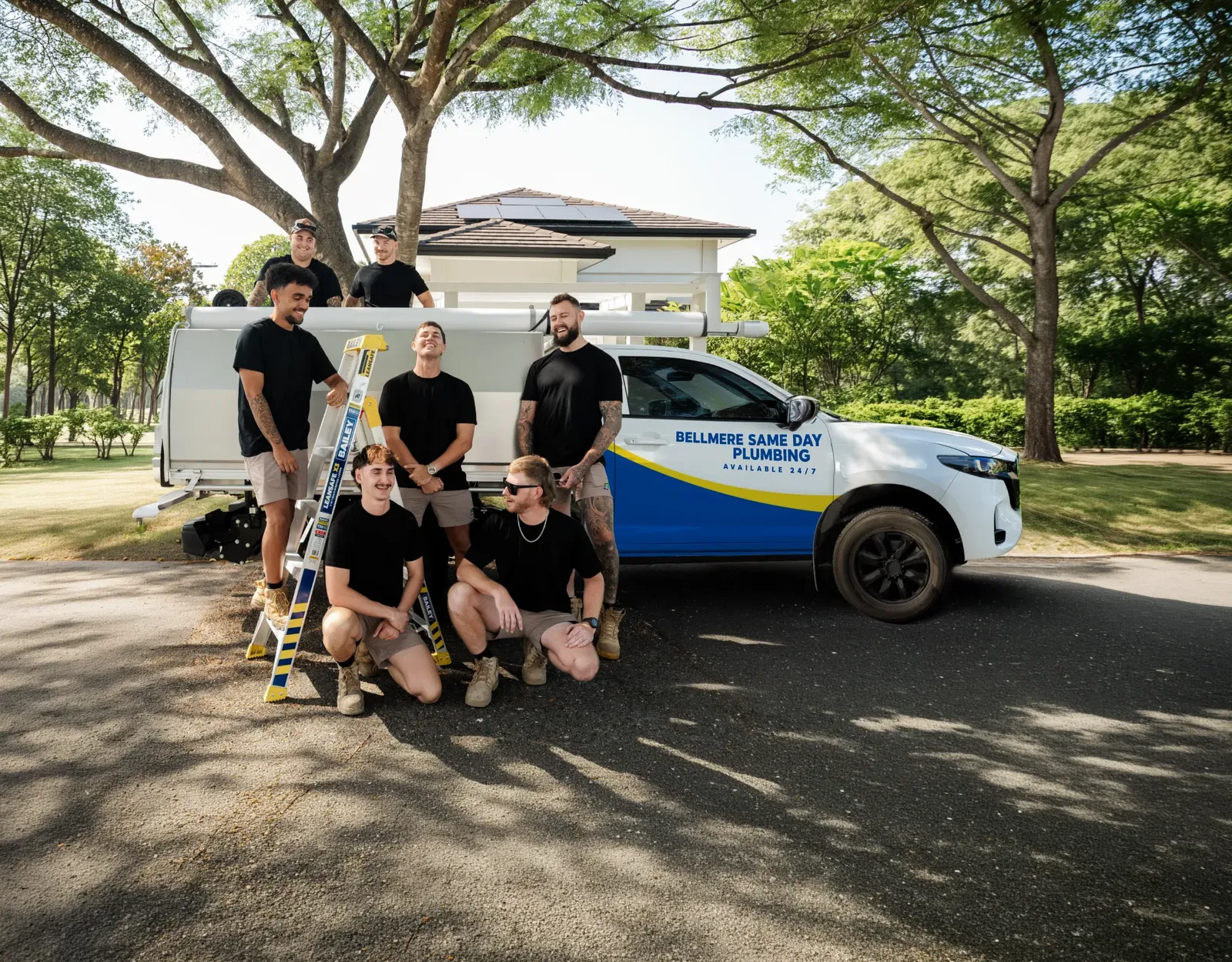
Rural-residential blocks out toward Stern Road and Behrens Road sit well beyond any piped grid, so gas bottles are everyday kit there. Estate housing is a different story. Wherever you sit in Bellmere, the reliable check is your own place: a gas meter means a pipe, and a cylinder or a tank means bottled supply.
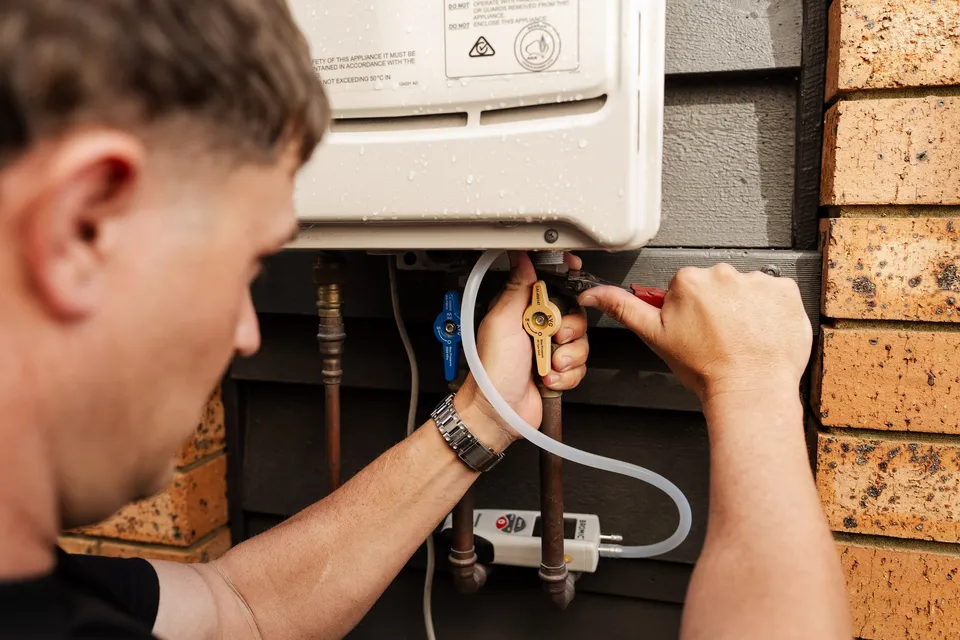
How Natural Gas and LPG Reach Your Home
A house gets its gas one of three ways. Natural gas arrives through a pipe from a metered network, and reticulated LPG also arrives by pipe, so a pipe at the wall does not guarantee methane.
The third way is a bottle or tank of LPG on the property. The giveaway is the meter: a home on the mains has a gas meter, and a home on bottled supply has the container instead.
Methane is the fuel inside the natural gas mains. LPG stands for liquefied petroleum gas, held in the bottle as a liquid under pressure. The liquid boils off into gas as your appliances draw on it.
Neither fuel smells of anything by nature. Suppliers dose both with mercaptan, an odouriser that gives escaping gas its rotten-egg signature.
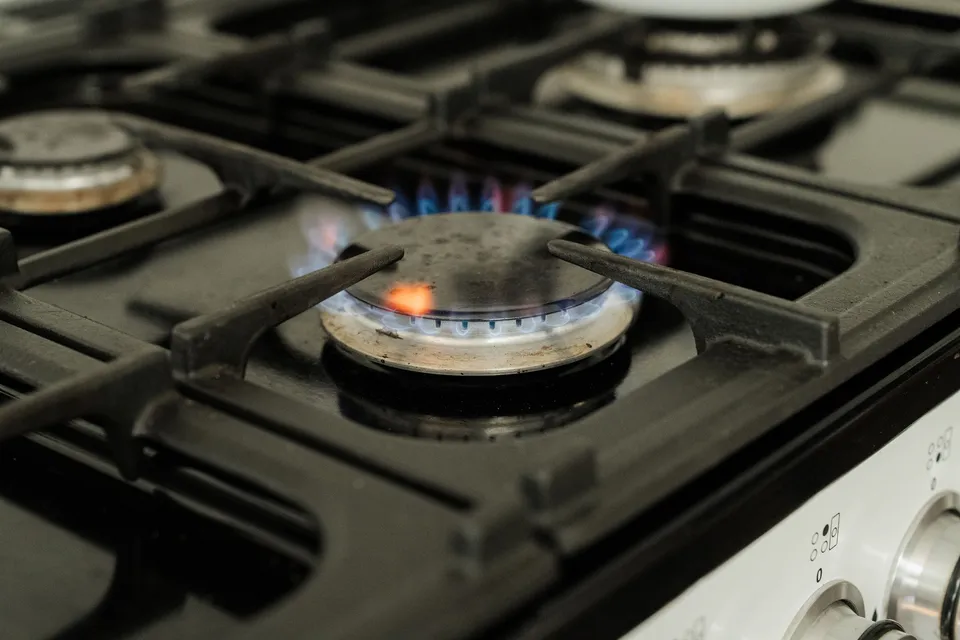
Which Gas Pools in Low Areas and Drains
The two fuels part ways once they escape: methane rises, and LPG sinks. Methane weighs less than air, so a leak outdoors tends to float upward and thin out.
LPG weighs more than air, so escaping gas can collect in drains, under-floor spaces and other low ground. Bellmere's undulating sandstone blocks, with falls toward rear boundaries, give sinking gas plenty of hollows to gather in.
Both fuels burn readily, and neither is a poison. The real hazard is displacement: a room full of fuel gas starves the air of oxygen, which can mean nausea, dizziness and, at the extreme, asphyxiation.
The Queensland response for either fuel is the same. Turn the offending appliance off, throw the doors and windows wide, and leave every light and power switch untouched. If the smell has not faded, shut the supply at the meter or bottle and call (07) 3523 6417, or ring 000 if you can still smell it.
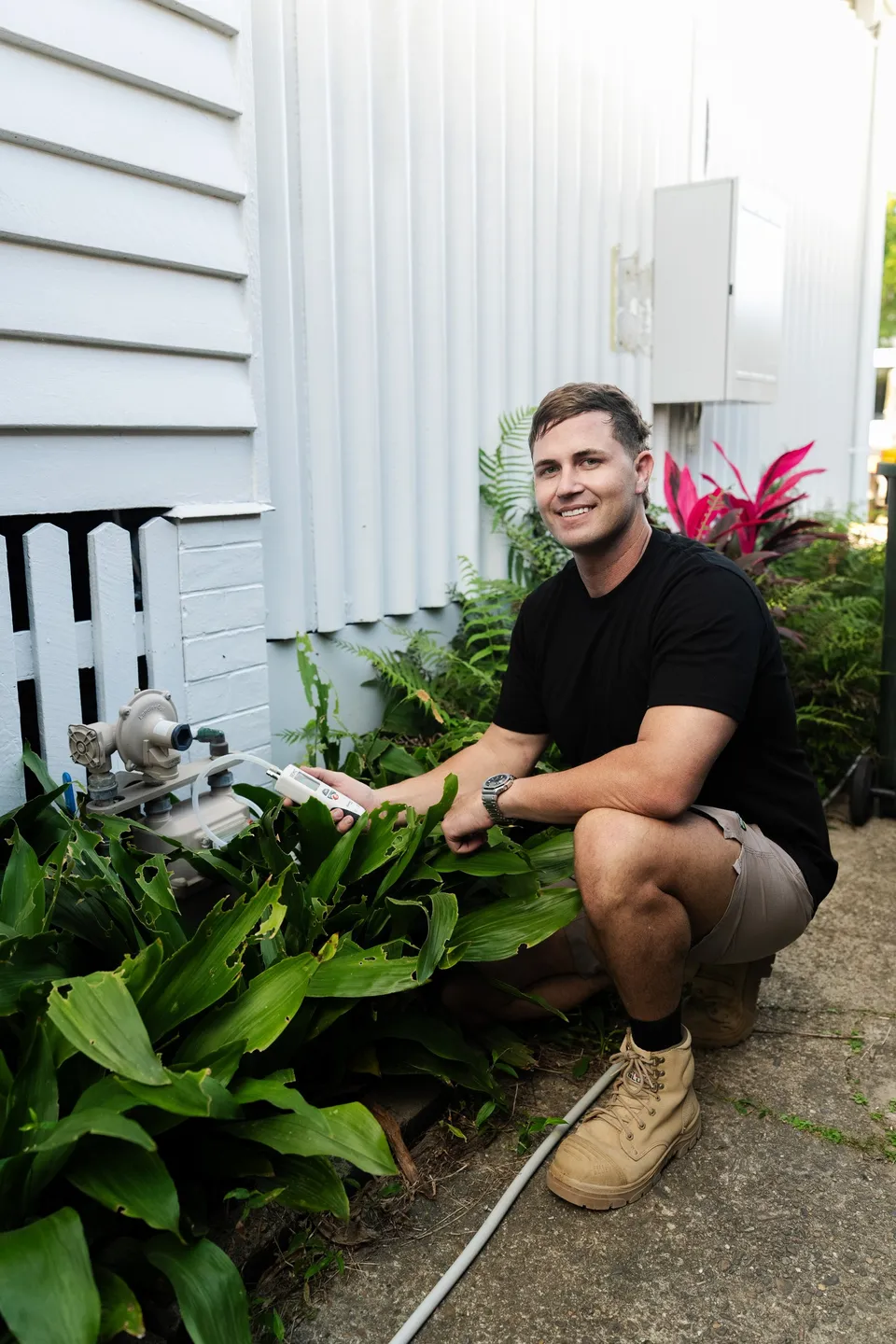
Is Gas Appliance Conversion a Licensed Job
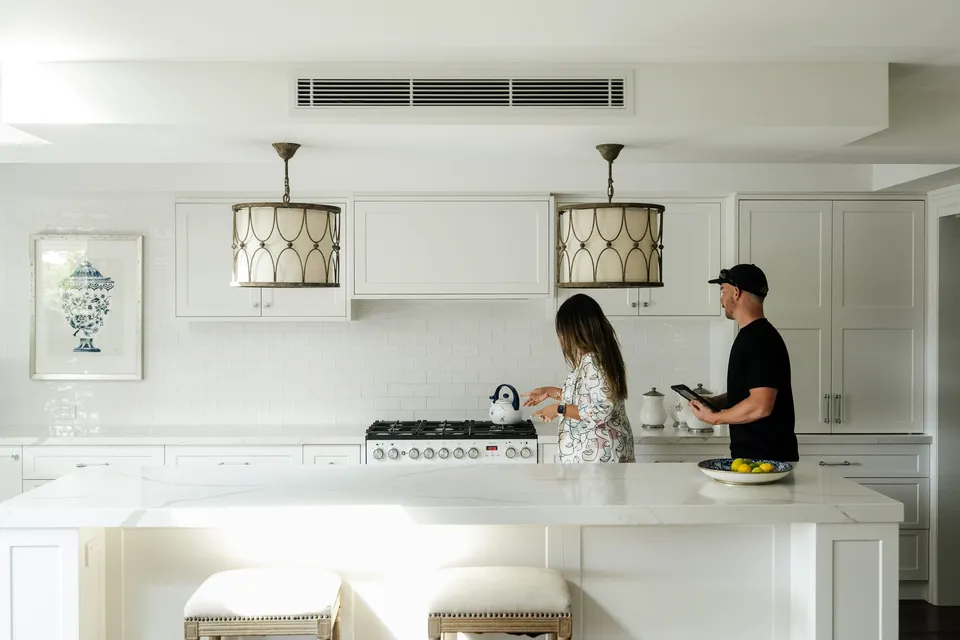
Yes, without exception. Most gas appliances leave the factory tuned for a single fuel, so shifting a cooktop from a methane home to a bottle-fed home is a conversion, not a reconnection.
Queensland treats that conversion as gas work, a category running from installation through alteration, repair, servicing, testing and certification of the fuel system and its pipework. A licensed gasfitter performs the change with conversion parts supplied by the appliance maker for that exact model, then verifies the result before the cooktop goes back into service.
At the last census, 62.9 per cent of homes had four or more bedrooms, so a big cooktop feeding a full household off Dobson Lane is familiar work for us.
A brand-new cooktop rather than a fuel swap is a separate job. The gas cooktop installation page on this site covers what it involves.
Make a habit of asking any gas tradesperson to produce their gas work licence before tools come out. A properly licensed gasfitter will not blink at the question.
What the Rules Say About Gas Cylinders
A portable bottle, typically 9 kg, carries a test stamp good for ten years, and refillers check that date on every cylinder presented. The carrying and storage rules are just as firm:
- Secure every cylinder for the drive, and never let one travel inside the cabin.
- Use and store bottles somewhere with airflow, well clear of heat sources and anything that could spark.
- Keep spare cylinders in a set secure spot rather than loose beside the barbecue.
- Leave the valve sealed whenever the bottle sits idle, empty ones included.
Bottles that feed the house through a fixed supply line belong to the LPG distributor, who maintains and tests each one. Any whiff of gas or a dented cylinder means phoning the distributor, not reaching for a spanner. Cylinder valves are never an owner-repair job.
When to Call a Licensed Gasfitter
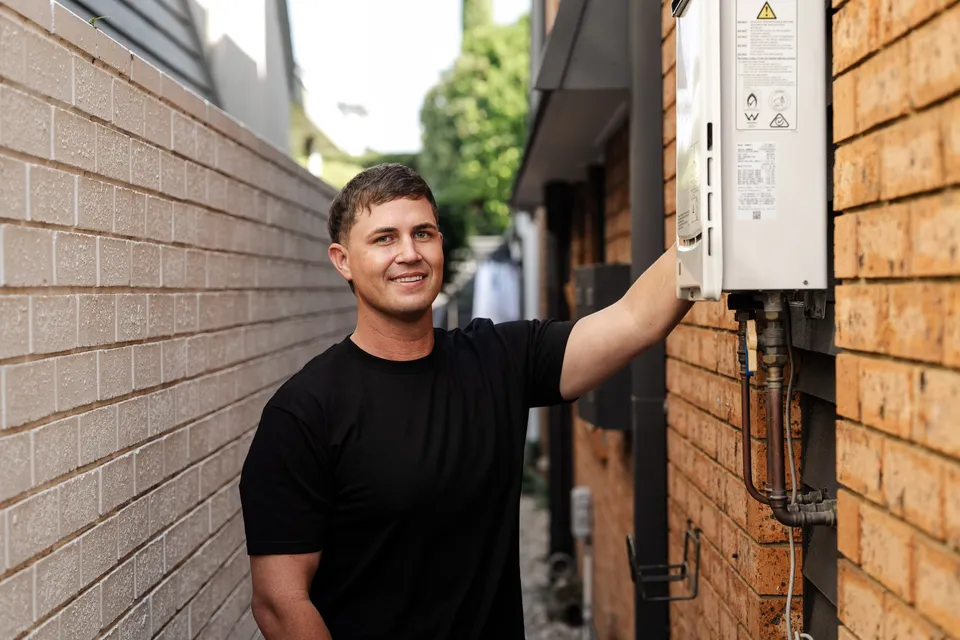
Any job that touches the fuel line is a job for a licensed gasfitter. The common ones we handle:
- A conversion between methane and bottled gas
- A new cooktop, oven or heater going in
- The periodic service Queensland recommends for cookers, barbecues and their kin
- A smell nobody can explain
Gas appliances deserve periodic checks and use per the manufacturer's instructions, so book a service even when all seems well. A smell right now outranks everything else on this list. Follow the Queensland steps, then ring (07) 3523 6417 and we will take over, same-day where we can.
Gas and Bottle Questions Answered
Call (07) 3523 6417What is the difference between LPG and natural gas?
Natural gas is methane, piped in from a metered network. LPG is bottled or tanked petroleum gas, and some homes get it by pipe too. A methane leak rises and drifts, an LPG leak sinks and collects low, and mercaptan gives both their rotten-egg warning smell.
Is LPG more dangerous than natural gas?
No, and ranking them helps nobody. Neither fuel is poisonous or toxic, and both burn readily; the difference is where escaping gas ends up. Queensland's response steps for a smell are identical either way, so treat every leak seriously.
Can I carry a gas bottle in my car?
Yes, as long as the cylinder is secured for the trip and never carried in the passenger compartment. A loose bottle in the cabin becomes a missile in a sudden stop. Back home in Bellmere, store the cylinder somewhere ventilated, away from heat, with the valve sealed even when the bottle is empty.
Who looks after the gas bottle at my Bellmere home?
Where the cylinder feeds your Bellmere home directly, the LPG distributor keeps the bottle maintained and tested. Phone the distributor about any smell of gas or about cylinder damage. Never repair or remove a cylinder valve yourself; valves belong to the distributor or a licensed gasfitter.

Talk to Us About Your Gas SetupWe'll call you back.
Book on (07) 3523 6417 for plumbing anywhere in Bellmere. We're available 24/7, there's no extra charge for nights, weekends or public holidays, and every job comes with $0 call-out fees.
To claim your $0 call-out fee, call (07) 3523 6417 today.