Why Your Toilet Keeps Running
Nearly always, when a toilet keeps running, the cause is a cistern fault: the inlet valve, the flush valve's rubber seal or the water level. The noise tells you water is going somewhere it should not, usually straight down the pan.
If we're late, $100 comes off your bill

- Licensed and InsuredEvery job done by a licensed plumber. QBCC No: 15024607
- Fixed Quote FirstFlat-rate pricing, agreed before any work starts
- Lifetime Labour WarrantyBacked by our Fix-It-or-It's-Free guarantee (T&Cs apply)
- $0 Call-Out FeesNo extra charge for nights, weekends or public holidays
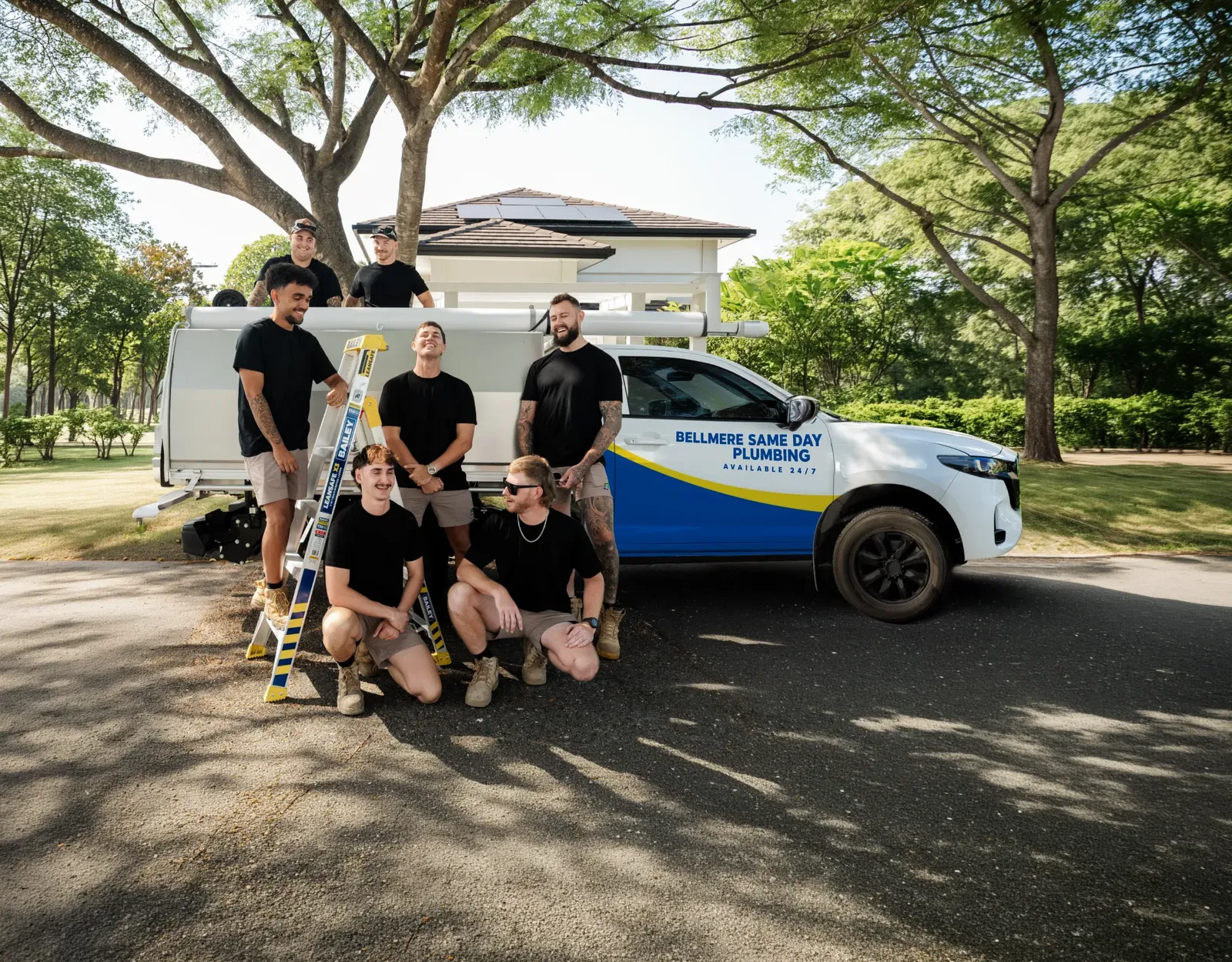
The cisterns we open around Bellmere mostly sit in houses built between the 1980s and the 2000s, so their internals have had decades of daily use. Every job is done by a licensed plumber, and we sort running toilets same-day where we can.
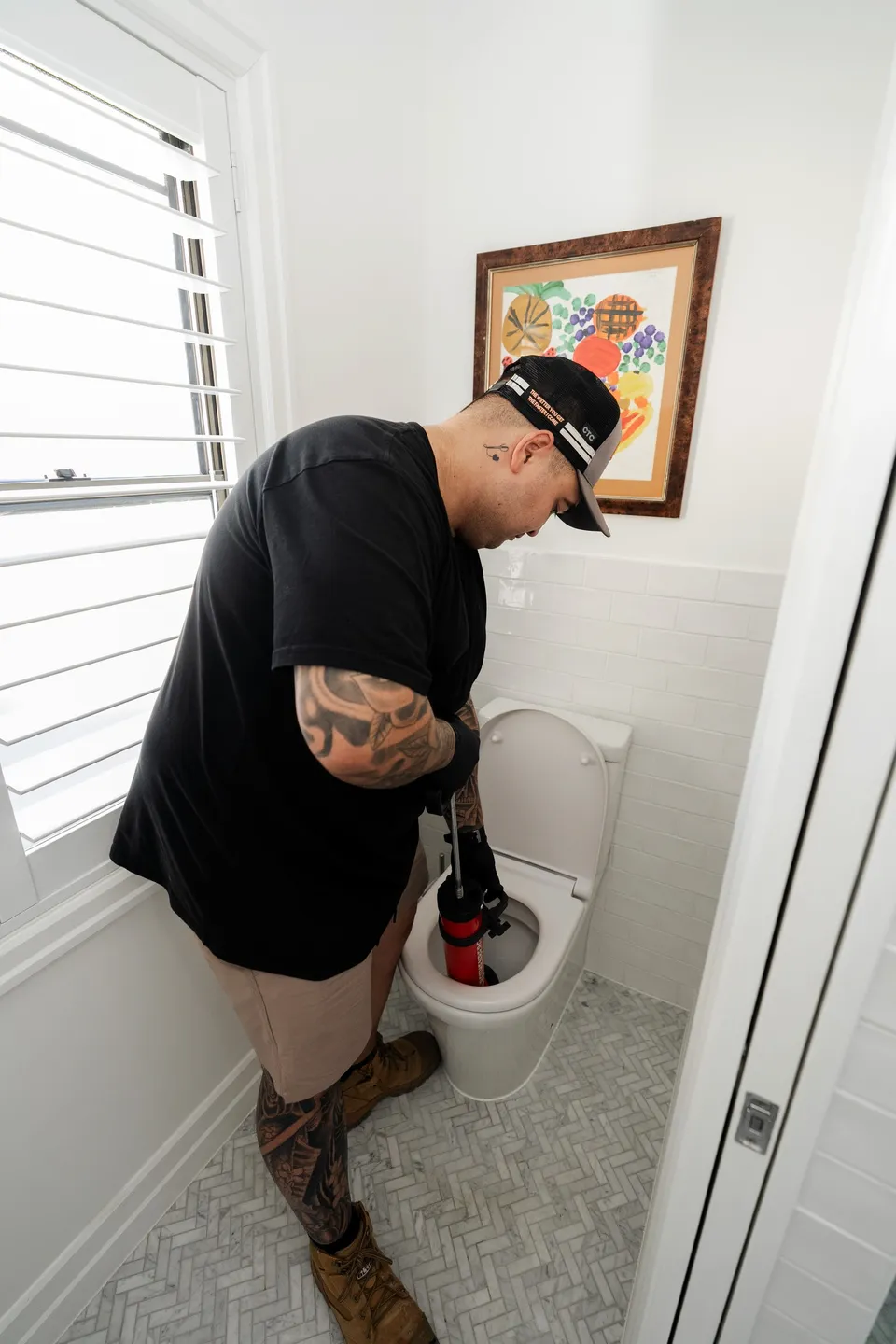
The Three Causes of a Running Toilet
Three faults sit behind nearly every running cistern: an inlet valve that refuses to close, a flush valve whose rubber seal leaks water into the pan, and a water level riding above the overflow.
Each one sounds a little different. Here is what points where:
A hiss or trickle that keeps going after the cistern has refilled
the inlet valve is failing to close, so the water keeps coming.
The cistern refilling itself every few minutes with nobody flushing, or water creeping down inside the bowl
the flush valve's seal is passing water it should be holding.
Water spilling through the overflow, sometimes dripping outside the house
the cistern is filling past its set level, which points to the float setting or the inlet valve.
After a flush, the inlet valve tops the cistern back up and shuts once the float reaches its mark. Between flushes, the flush valve holds the stored water. Once its rubber seal wears, water slips past into the pan, the inlet valve keeps topping up, and the toilet runs.
What Colour in the Bowl Tells You
Run this test: squeeze a little food colouring into the cistern, leave the toilet alone without flushing, then look at the bowl. If colour shows up in the bowl, water is escaping the cistern into the pan.
A bowl that stays clear tells you the flush valve is holding, so check the inlet valve and the water height next. Flush when the test is done, because the colouring will not stain a ceramic bowl.
No food colouring in the house? Press a square of dry toilet paper high on the bowl's inner back wall, above the water line. If it wets through, water is creeping down that wall, which points to a leaking cistern.

Slow, Partial or No Refill After a Flush
When a cistern fills slowly or not at all, the usual culprits are an inlet valve that has worn or clogged, a float set below its mark, or a stop tap only partly open. Start with the stop tap, since one knocked half shut during other work looks just like a failed inlet valve.
Water running yet the cistern staying low points elsewhere. The flush valve may be releasing water as fast as the inlet valve sends it in, so the level never climbs.
Bellmere counted 2,158 dwellings at the last census, and most of those homes went up between the 1980s and the 2000s. Cisterns that old have often been through one set of internals already, so a second failure is common rather than surprising.
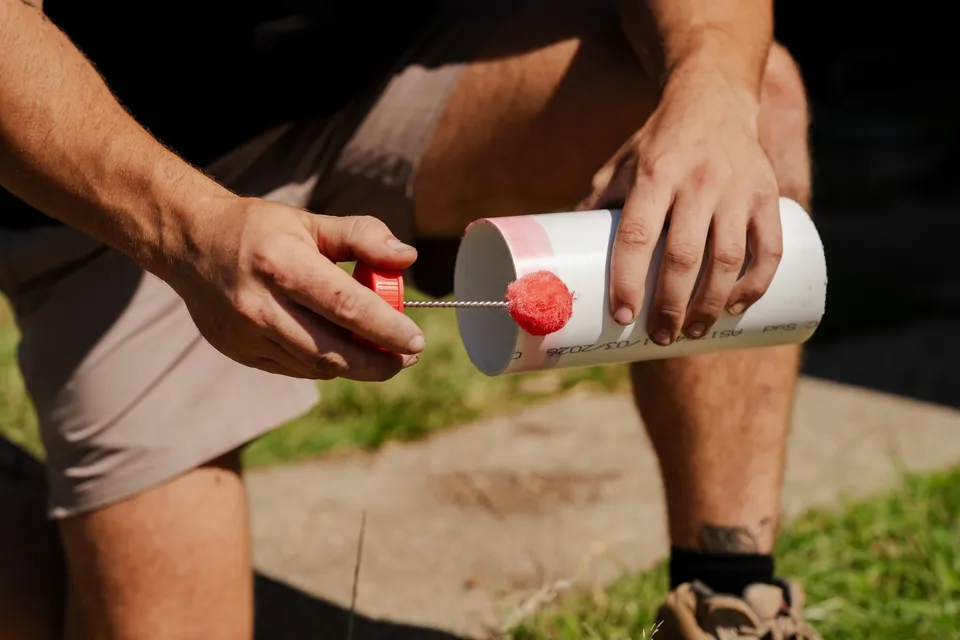
Where Home Owner Toilet Repairs Stop
The QBCC sets the line for Queensland home owners. Three cistern parts count as unregulated work that anyone with the appropriate knowledge and skill can repair or replace.
One is the drop valve washer. Another is the float valve washer. The third is the suction cup rubber.
The finished work still needs to meet the standards, whatever hands are on it. Anything beyond those three washers is minor work: a licensed plumber does it, no permit applies and no Form 4 is needed.
Rentals bring two duties. Queensland's tenancy rules make the owner or agent responsible for upkeep, and the tenant for reporting a fault promptly.
Repairs outside the Act's emergency list are routine, and they get done within a reasonable time of the report. The emergency list names a toilet that blocks or breaks outright; a cistern that merely runs is routine.

Who Pays for Water a Cistern Wastes
No, Unitywater will not adjust the bill. The utility's concealed leak relief leaves out water lost through cisterns, along with dripping taps, hot water systems and similar appliances.
The owner of the property carries primary responsibility for any leak and the losses it causes. A running cistern quietly inflates the water bill month after month until somebody fixes it, which is why a hiss worth hearing today is worth a phone call this week.
When to Hand It to a Plumber
Ring us when colour shows in the bowl, the overflow drips, or the cistern will not settle at its mark. Those jobs sit past the three washers a home owner may legally touch, so a licensed plumber carries them out. The full range of toilet work, from base leaks to new buttons, sits on our toilet repairs page.
Running Toilet Questions We Hear
Call (07) 3523 6417Can I fix a running toilet myself?
Yes, for three parts only. The QBCC treats the drop valve washer, the float valve washer and the suction cup rubber as unregulated work, so no licence, approval or report is needed, though the result must still meet the standards. Every other toilet repair is minor work for a licensed plumber.
Will the water utility cover a running toilet?
No, Unitywater's concealed leak relief does not apply. Water lost through a leaking cistern is excluded, along with dripping taps, hot water systems and similar appliances. The owner of the property carries primary responsibility for leaks and the losses from them.
What is the overflow in a toilet cistern?
The overflow is the outlet that lets surplus water escape the cistern instead of spilling onto the floor. When the inlet valve fails to close, or the float sits too high, the level climbs until water runs out through the overflow.
What does it cost to fix a running toilet in Bellmere?
The price turns on two things: which part has given up, and how easily we can reach the cistern and stop tap. A fixed quote before any work starts settles the figure.

Talk to Us About the Running CisternWe'll call you back.
Book on (07) 3523 6417 for plumbing anywhere in Bellmere. We're available 24/7, there's no extra charge for nights, weekends or public holidays, and every job comes with $0 call-out fees.
To claim your $0 call-out fee, call (07) 3523 6417 today.